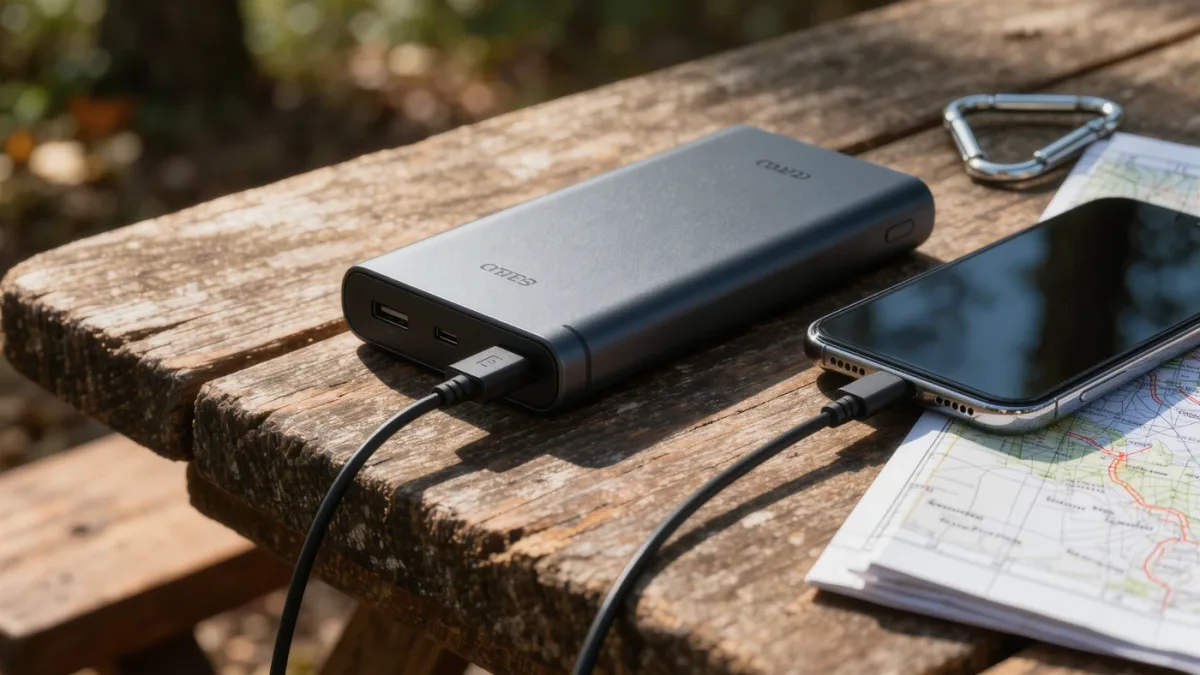
The pick for most travelers is a 20,000mAh power bank with 30W USB-C output — Anker's 737 and comparable models from Belkin and Baseus document that capacity (roughly four full phone charges) with airline-legal sizing. Expect $50–90 at listed prices as of late 2025. The catch: capacity and wattage are only half the decision — recharge time, weight, and whether you'll fly with it matter just as much.
Blog Daily publishes information, not safety advice; battery recalls and fire reports belong to the US Consumer Product Safety Commission, which documents hundreds of lithium battery incidents yearly. Buy from named brands with listed certifications (UL 2056 or IEC 62133 appear in the documentation of every reputable maker).
Which specs actually matter?
- Capacity (mAh): 10,000mAh ≈ two phone charges, 20,000mAh ≈ four, 27,000mAh ≈ five to six plus a laptop top-up.
- Output watts: 20–30W charges a phone at full speed; laptops want 65W+, which only larger banks document.
- Recharge time: a bank that takes eight hours to refill (15W input) is a chore; 30W+ input cuts it to roughly two–three hours on 20,000mAh, per makers' documentation.
- Number of ports and cable: built-in USB-C cables sound gimmicky until you forget yours at a campsite.
What's the camping-specific pick?
For tent camping, documented priorities change: capacity over wattage, a flashlight loop, and cold-weather tolerance (lithium cells document reduced output below freezing — keep the bank in your sleeping bag, a tip makers including Goal Zero publish). Solar-panel banks document trickle charging that takes days for a full bank; dedicated solar panels paired with a bank are the documented approach if you're out a week.
What about flying?
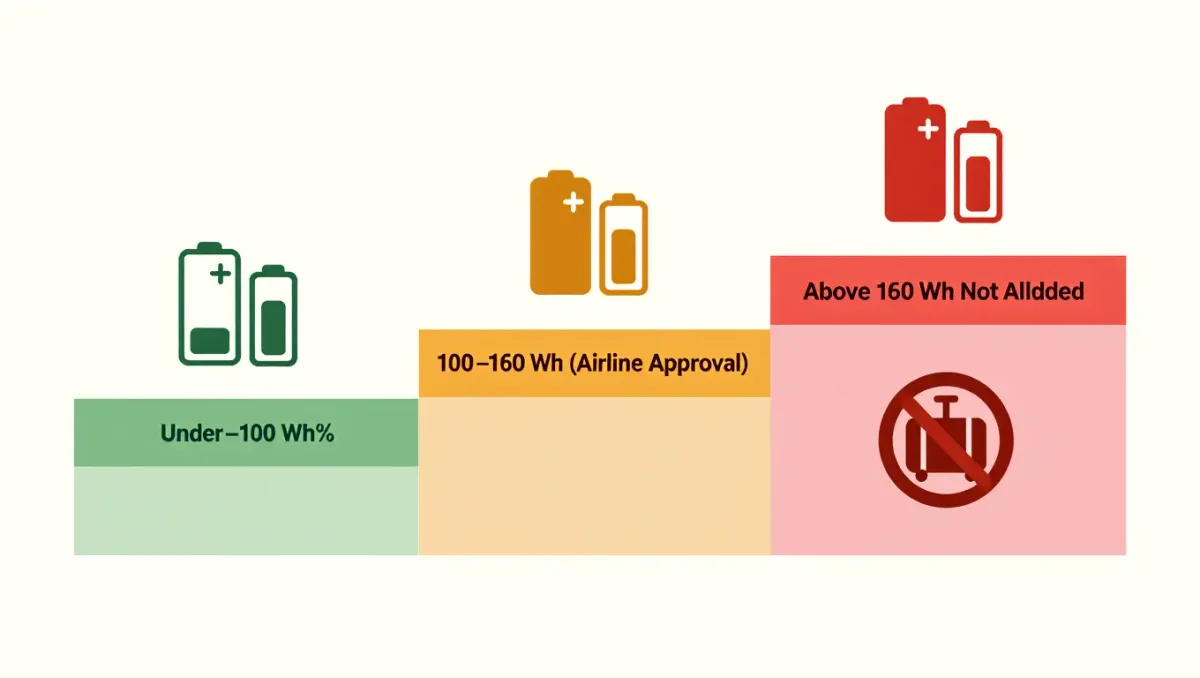
Airlines and the FAA restrict power banks to 100Wh (roughly 27,000mAh at 3.7V) in carry-on only — the FAA's documented rule — with airline approval needed up to 160Wh and none permitted in checked bags. Translating: 10,000–20,000mAh banks fly freely; 27,000mAh sits at the 100Wh line and needs the airline's rules checked by watt-hour rating, which every compliant bank prints on its label.
The comparison, per documented specs
| Model | Capacity | Output | Listed price (late 2025) | Best for |
|---|---|---|---|---|
| Anker 737 | 24,000mAh | 140W | $109.99 | Laptop users |
| Anker Nano 10K built-in cable | 10,000mAh | 30W | $39.99 | Minimalists, flights |
| Baseus Blade 2 | 20,000mAh | 65W, slim | $69.99 | Bag-friendly travel |
| Goal Zero Nomad + Venture | Varies | Solar paired | $100+ | Week-long camping |
The verdict
On the documented evidence: one 20,000mAh/30W bank per traveler covers phones, earbuds and a camera battery for a long weekend; add the 140W-class model only if a laptop travels too. What the sources did not establish: any power bank charging a modern phone "in 15 minutes" — charge speed is set by the phone's own documented input limit, not the bank's headline number.