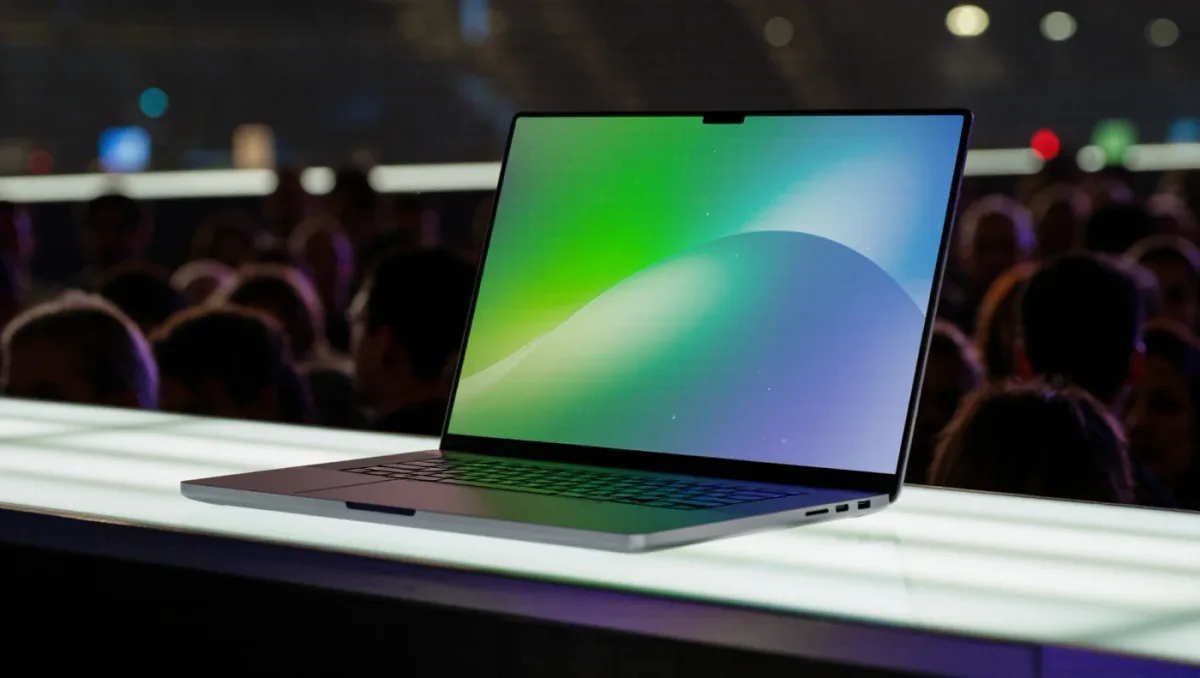
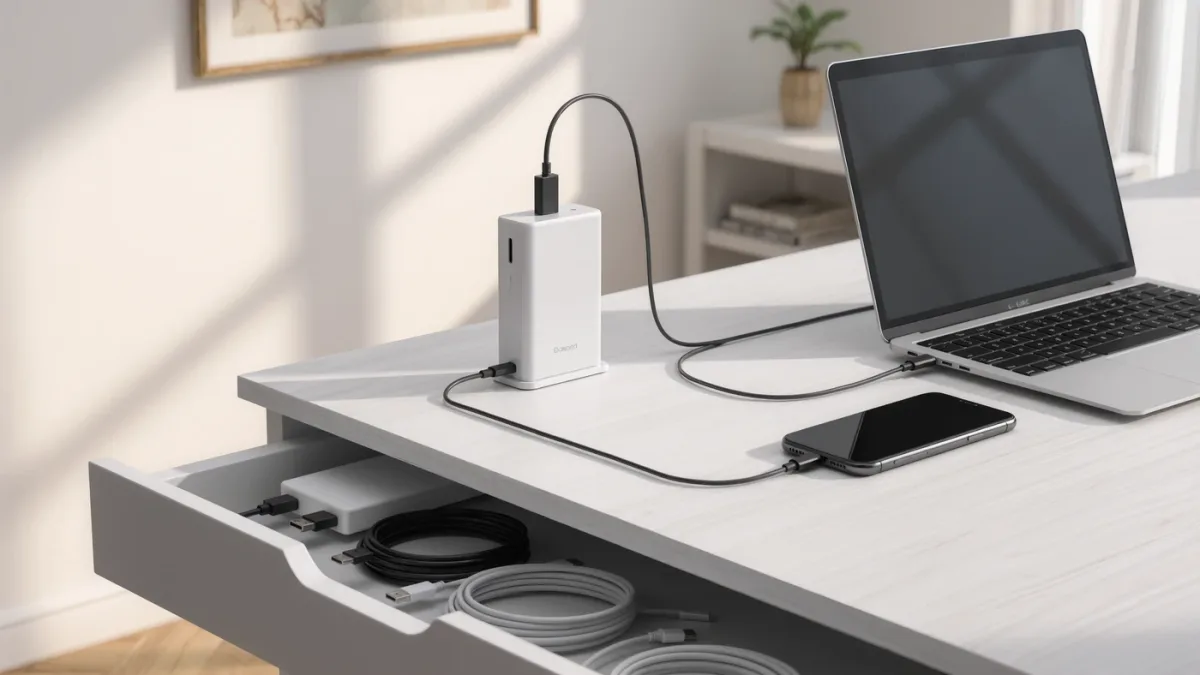
The European Union's common charger directive finished phasing in on April 28, 2026 — the date laptops sold in the EU had to move to USB-C, joining phones, tablets, cameras, earbuds and handheld consoles that switched on December 28, 2024. The law, directive 2022/2380, requires most categories of new portable devices to charge over USB-C, with labels showing charging capability and mandatory support for the USB Power Delivery standard on higher-power devices. The catch for US shoppers: none of this is law at home — but because manufacturers design globally, the US market documents the same hardware.
What does the rule actually require?
Per the European Commission's published guidance: USB-C receptacles on the listed device categories (radio equipment covered by the directive), harmonized fast-charging via USB Power Delivery so chargers negotiate speed consistently, and packaging that states which cables and power the device needs. Radio devices below certain power thresholds — watches, health trackers, some earbud categories — are exempted in the directive's annex.
What changed for laptops this spring?
The April 2026 deadline applied to laptops, which received the extra transition window because their higher power demands took longer to standardize; the Commission's documentation set the April 28, 2026 date when the directive was adopted in 2022. In practice, notebook makers had already documented the migration: Apple moved MacBooks to USB-C in 2015 and completed the port consolidation on iPads by the iPhone 15's USB-C debut in September 2023 — the EU rule is widely documented as the forcing function for that switch, as BBC coverage reported at each milestone.
What does it mean for American buyers?
- One charger, many devices: global product lines mean the US-bound hardware is the same USB-C generation — the drawer of proprietary barrel chargers is finally retired by attrition.
- Label literacy: the EU packaging labels (wattage, PD support) appear on multinational packaging — learn to read them and you'll buy compatible chargers first time.
- Watts still matter: USB-C is a connector, not a speed promise; a 15W brick charges a laptop slowly regardless of the connector's shape. Check documented wattage before assuming.
What's the overlooked detail?
The directive also regulates unbundling — the Commission's guidance lets vendors ship devices without chargers to cut e-waste, which is why "no charger in the box" is now standard practice. Combined with USB-C convergence, the practical result: buy one good 65W+ GaN charger and a couple of cables, and you're equipped for the household — a documented e-waste reduction the Commission cites as the rule's core goal.
What's next?
The Commission has documented review cycles that may extend the rule to more categories and eventually to wireless charging interoperability. For now: USB-C on nearly everything rechargeable in Europe, matched by identical hardware on US shelves, and no law requiring it here — market gravity doing the regulation's work.