For mounts, the pick is a MagSafe/Qi2 magnetic dashboard mount ($25–50 listed, late 2025) — one-hand snap-on beats every cradle-claw design, and magnet arrays are documented on both iPhone and an increasing number of Android cases. For charging, the pick is a 25–45W USB-C car charger ($20–40) — the documented floor for keeping a navigating phone gaining charge rather than slowly losing it. The catch: cars without USB-C ports need a charger in the 12V socket, and wireless charging in cars is the documented worst of both worlds — slow, heat-soaked, and mount-dependent.
Which mount style for which car?
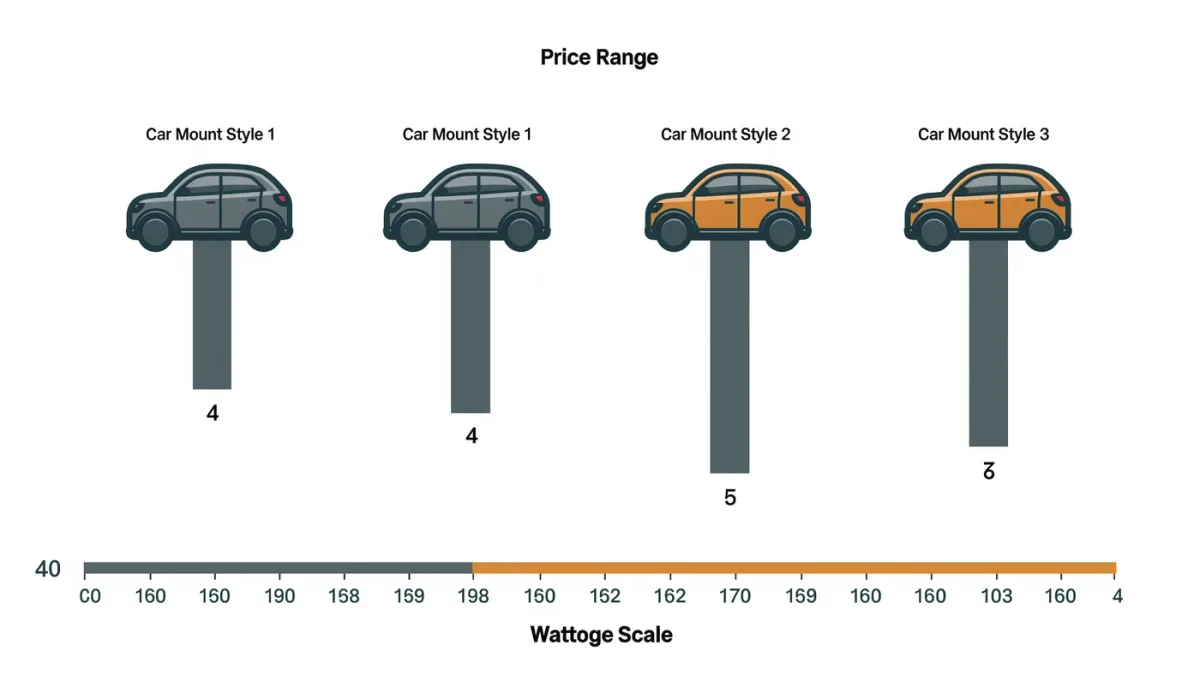
| Style | Price range | Documented strengths | Documented catch |
|---|---|---|---|
| Magnetic (MagSafe/Qi2) | $25–50 | One-hand attach, universal angle | Needs magnetic case or plate |
| Vent clip | $10–25 | No adhesive, rental-friendly | Blocks airflow; sags in heat on weak vents |
| Dash adhesive (MagSafe-compatible) | $30–60 | Rock-solid positioning | Semi-permanent pad placement |
| Windshield suction | $15–40 | Legal-friendly in most states, flexible | Heat cycles degrade cheap suction cups |
Legal note worth checking: a few states and cities restrict windshield mounts — the documented rule is dash-placement when unsure.
How many watts does a car charger need?
- 20W minimum to out-charge navigation drain on most phones, per documented phone input specs.
- 30–45W for Samsung's and other flagships' documented fast tiers — the price difference is now a few dollars.
- Built-in USB ports in cars are documented at 5–15W on older vehicles — fine for audio, a trickle for GPS-and-streaming. Test yours with a cable that shows wattage or trust the phone's slow-charge indicator.
What about wireless car chargers?
Documented reality: most car wireless pads and mounts top out at 7.5–15W in an environment that's already hot — heat-throttled wireless in a sun-soaked cabin sometimes barely out-charges its own inefficiency. If you want magnetic-mount convenience plus real charging, Qi2 mounts with 15W documented output are the best of the category; drivers who road-trip in summer heat will document their preference for a cable within one trip.
What's the overlooked detail?
The cable. Fast charging documents a requirement for a rated cable (usually 60W/240W USB-C), and the glovebox's mystery cable is usually the reason a 45W charger crawls. A $10 rated cable completes the documented setup: 45W charger + rated cable + magnetic mount ≈ $60, versus the $100-plus automakers charge for built-in wireless pads that charge slower.
The verdict
Magnetic dash mount, 30–45W USB-C charger, rated cable. What the sources did not establish: any documented advantage of "gaming" car chargers with displays and RGB — the wattage on the label is the entire story.