
Two regulatory shifts already shape your tech life in early 2026: FCC broadband consumer labels — the nutrition-label-style panels showing price, speeds and fees — which providers have been required to display since April 2024, and a batch of state comprehensive privacy laws whose new effective dates landed in January 2026. Neither made headlines at your kitchen table, but both hand you documented rights at checkout.
What do broadband labels give you?
The FCC's rule requires internet providers to display a standardized label — monthly price, introductory-rate terms, data allowances, download and upload speeds, and a full list of add-on fees — at every point of sale and inside account portals, per the FCC's own consumer guidance. The practical effect in 2026: comparing plans means comparing labels, not marketing pages. If a provider's label shows a $10 monthly equipment fee the ad buried, that label is the document that wins the argument.
Which state privacy laws just took effect?
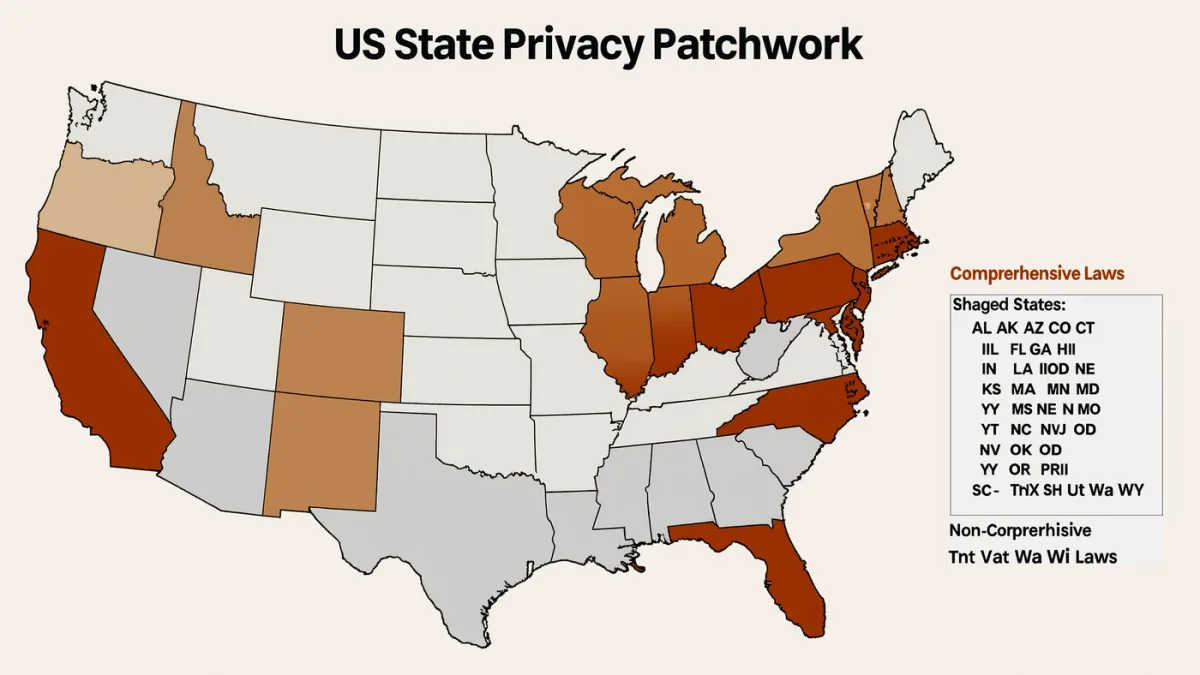
Comprehensive consumer privacy laws now cover a large share of Americans, with additional states' statutes — including those with January 1, 2026 effective dates — layering on. The common documented rights: access to the data companies hold on you, deletion rights, correction rights, opt-out of targeted advertising and profiling, and opt-out of sale/sharing. For gadget buyers, the practical piece is the opt-out: state laws make those "do not sell or share my personal information" links legally meaningful rather than decorative.
What does this mean when you buy a gadget or service?
- Smart-home devices: privacy policies for apps and companion services increasingly name the state rights you have — worth reading the deletion clause before gifting an always-listening speaker.
- Internet plans: use the broadband label as your comparison document; keep a screenshot at sign-up — it's the provider's statement of record.
- Opting out: exercise the ad-targeting opt-outs on the accounts you care about; the documented mechanism is usually an account-settings toggle, sometimes a dedicated privacy-rights portal.
The overlooked detail
Broadband labels must also state whether the plan has data caps and what overage costs — and the label's speed figures are the provider's commitment to typical performance, not theoretical maximums. For smart-home households adding cameras that upload constantly, that line is the difference between a plan that works and a surprise bill.
What's still missing
Federal comprehensive privacy legislation remains stalled; the state patchwork means your rights vary by residence, and small-business exemptions shrink coverage in several states. The honest read: you have real, documented tools in 2026 — labels and opt-outs — but no single national privacy floor yet.