
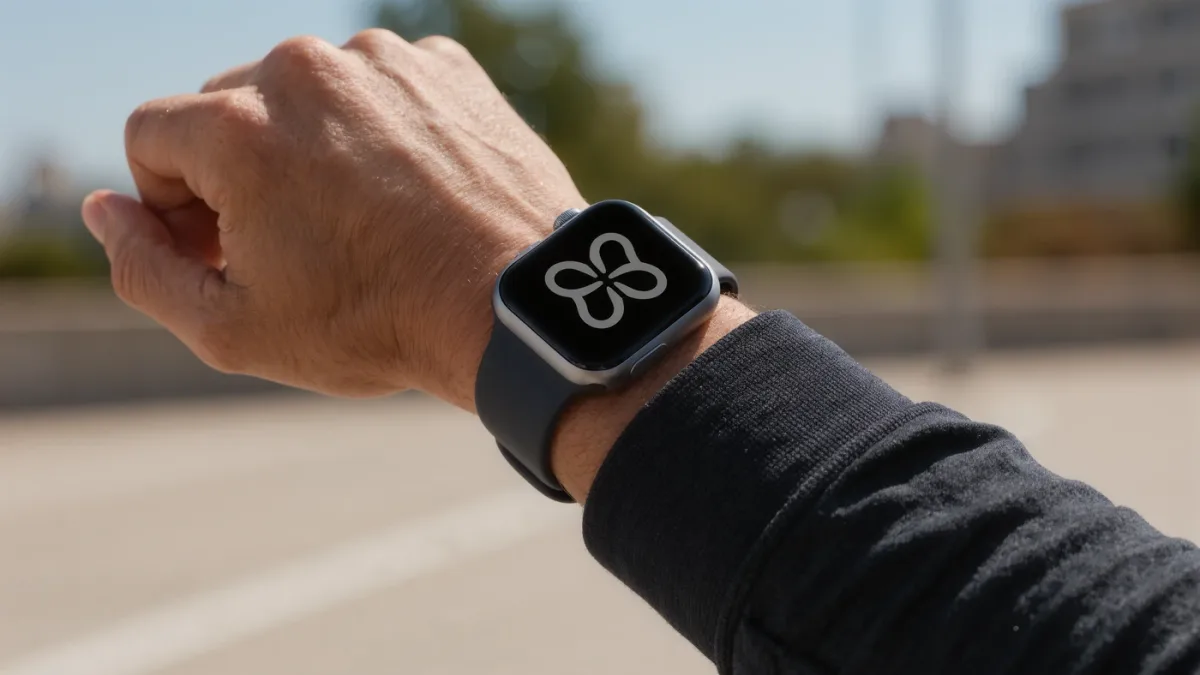
The pick depends on two forks, in order: ecosystem first — an Apple Watch documents iPhone-only pairing, Galaxy Watches want Android — and battery second — the Apple Watch Series 11's documented ~18–36 hours versus Garmin's documented weeks. Health sensing, the marketing centerpiece, is now largely a tie across mid-range and up: every serious watch documents heart rate, sleep, SpO2, workout GPS and — on recent premium models — ECG. The catch: FDA-cleared features (ECG, Afib notifications, temperature) vary by model and region; check the documented medical clearances, not the marketing page.
What does each ecosystem document?
| Watch | Price (listed late 2025) | Documented battery | Standout |
|---|---|---|---|
| Apple Watch Series 11 | from $399 | ~18–24h claims, more in low-power | Deepest iPhone integration, FDA-cleared features |
| Apple Watch SE 3 | from $249 | ~18h | The value Apple Watch; lacks advanced sensors |
| Galaxy Watch 8 | from $349.99 | ~1–2 days documented | Best Android pairing, BioActive sensor |
| Garmin vívoactive/Forerunner | from $299 | Days to weeks | GPS accuracy and battery for actual athletes |
| Pixel Watch (4) | from $349.99 | ~24h+ (improved gens) | Fitbit heritage, Android-clean design |
Which health sensors matter — and which are decoration?
- Heart rate and GPS: core, and accurate enough for training on every watch listed — documented across maker claims and independent testing alike.
- ECG and Afib notifications: documented FDA-cleared on Apple and Samsung models — genuinely useful with a doctor in the loop, not a self-diagnosis tool.
- Blood oxygen: present but restricted — an ongoing patent dispute documented by affected makers has disabled or limited SpO2 on some US models; check current status before buying for this feature.
- Sleep tracking: good everywhere, life-changing nowhere; consistency of wear matters more than the brand.
- Temperature and stress: trend features; documented as informational, not clinical.
Battery philosophy: how do you want to live?
The daily-charge watch (Apple, Galaxy, Pixel) is a sleep-tracking-every-night device that dies if you forget — the documented trade for bigger screens and deeper phone integration. The multi-week watch (Garmin, Amazfit) tracks sleep for days per charge and navigates ultras, with the documented trade of a simpler interface and lighter app ecosystem. Fitness-first buyers overwhelmingly document regretting under-batteried watches; notification-first buyers rarely notice.
What's the overlooked detail?
Bands and repair economics. Proprietary band systems lock you into maker accessories (Apple's documented changes band compatibility rarely; Garmin's quick-release is generic). And battery replacement — the documented wear item on every smartwatch — runs $79–99 from the maker; a $249 watch needing a $99 battery in year three has a real annual cost worth counting before you buy.
The verdict
iPhone household wanting the deepest integration: Apple Watch SE 3 or Series 11 by budget. Android: Galaxy Watch 8 or Pixel Watch by taste. Athletes: Garmin, full stop. What the sources did not establish: any watch replacing medical monitoring — the cleared features inform, doctors diagnose.