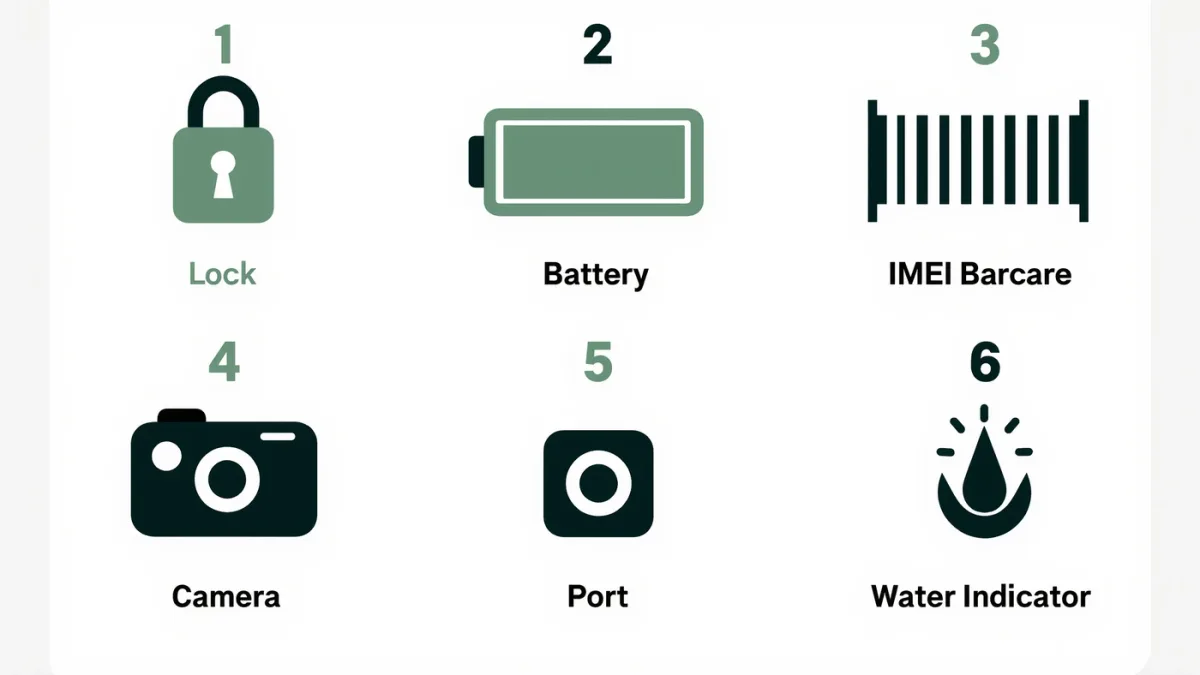
Three checks decide a used iPhone purchase: Activation Lock off, battery health above 80 percent, and an IMEI that's clean with the carrier — skip any one and you've bought a paperweight.
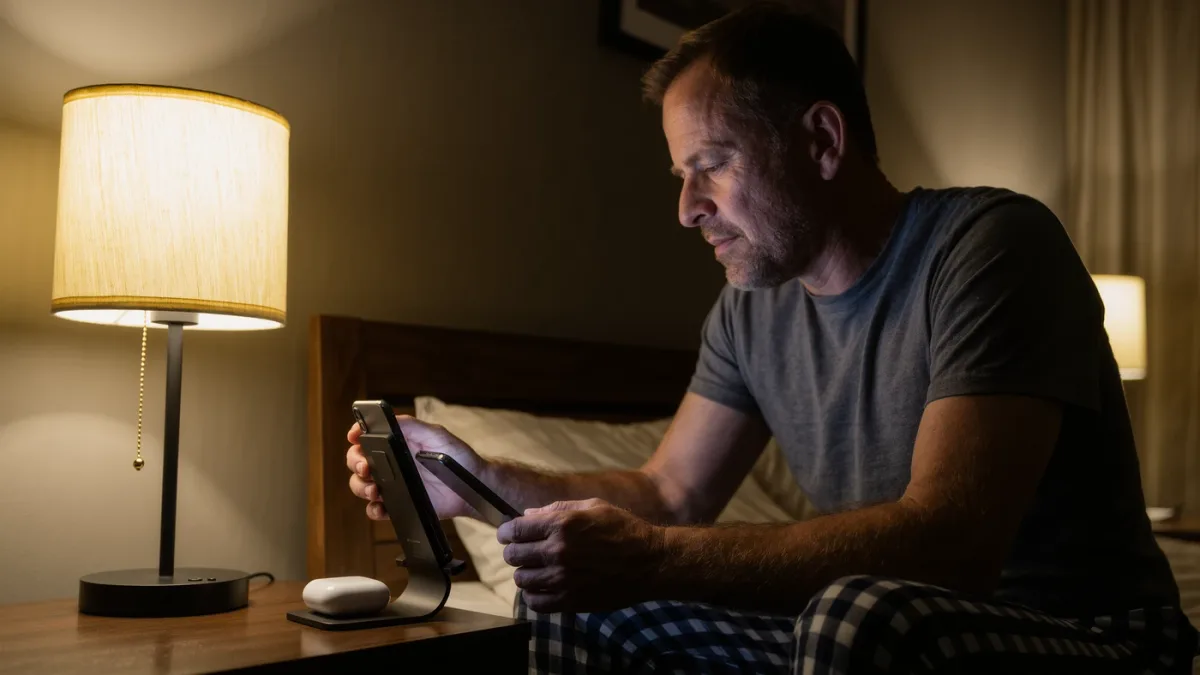
Qi2's magnetic alignment makes wireless charging finally reliable — iPhone users have it already (it's MagSafe-compatible), and the 2026 charger market splits into pads, stands and 3-in-1 stands.
If you read more than three books a month, a $150 e-reader's e-ink screen wins on eyes and battery; the tablet wins only if reading shares time with video and apps.
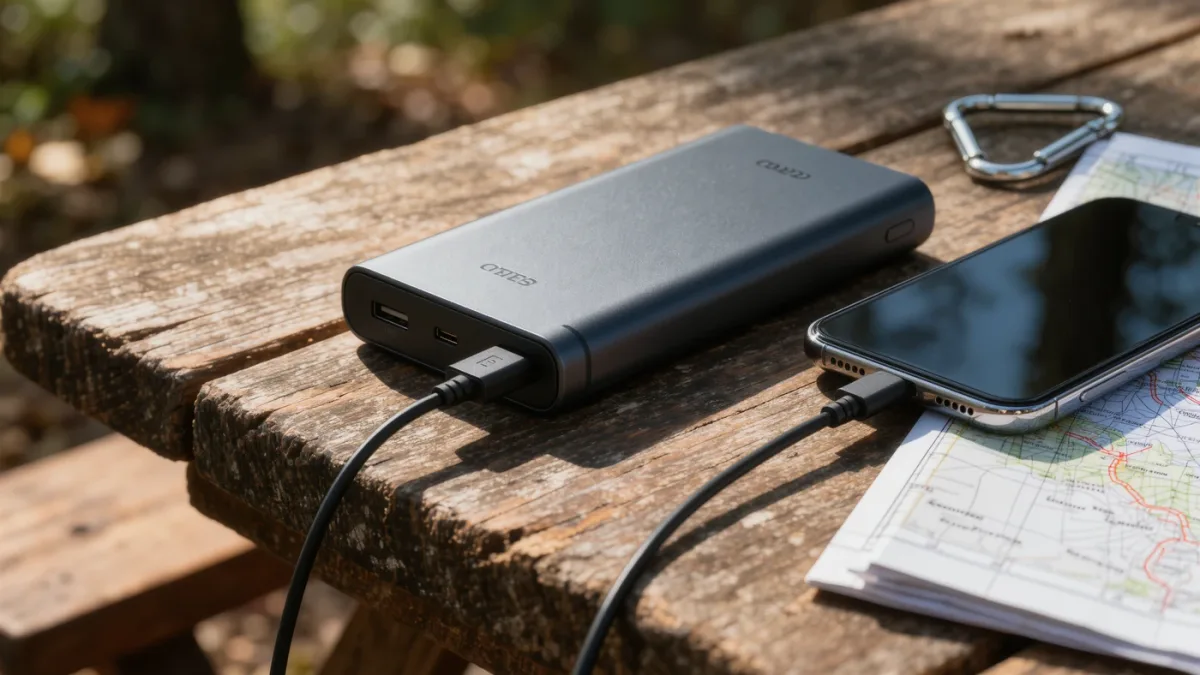
For camping, the documented winner is a 20,000mAh bank with 30-watt output and a built-in cable; the catch is what airlines and tent-campers treat very differently.
Manufacturers' spec sheets hide the three numbers that matter — native refresh rate, real HDR brightness and HDMI 2.1 port count — behind marketing labels; here's how to find them.